

First steps to plan a wedding: 9 essential keys
A complete guide on the first steps to plan a wedding, designed for couples looking for an elegant, serene celebration with its own meaning.
The first steps to plan a wedding are much more than a list of tasks, dates, and budgets. They are the moment when a couple begins to imagine how they want to celebrate their love story and what memories they wish to keep forever. Taking these first steps to organize a wedding with calm and clarity will shape the entire experience of the celebration.
"Because a pretty wedding can have spectacular flowers, a gorgeous table, or an unforgettable dress. But a truly special wedding is one where, looking around, you recognize those who are celebrating it."
Knowing how to plan a wedding means making hundreds of small decisions. Some seem practical—choosing a date, preparing a budget, or booking a venue—and others have a much more emotional component: choosing a song, writing vows, recovering a family heirloom, or designing an invitation that tells, without needing many words, who you are.
Therefore, when taking the first steps to plan a wedding, before thinking about trends, colors, or decorations, it is worth pausing for a moment to ask yourselves a question:
How do we want our wedding to feel?
The answer will be the compass that accompanies you throughout the entire planning process.
In this guide you will find the main steps to get married and the first steps to plan an elegant, personal, and meaningful wedding, without losing sight of something fundamental: your wedding doesn't have to look like any other.
Starting with yourselves: defining the essence of the wedding
Before opening an inspiration folder, visiting venues, or comparing suppliers, sit down together and talk. Not about prices. Not about flowers. Not about tables. Talk about yourselves. Understanding what unites you is the master pillar among the first steps to plan an authentic wedding.
What memories do you want to create? Do you dream of an intimate celebration or a big party? Do you picture yourselves surrounded by nature or under the chandeliers of a palace? Do you want a classic, Mediterranean, contemporary, romantic, country wedding, or a blend of several styles? There is no single correct answer on how to plan a wedding. The perfect wedding is the one that fits the couple celebrating it.
Three questions to get started
You can start your conversation with these three questions:
- 1. What three words do we want to define our wedding?
- 2. What moments would we like to remember twenty years from now?
- 3. What elements of our story do we want to incorporate into the celebration?
The answers will help you create a guiding thread. It could be a place with special meaning, a specific era, a color, a song, a family tradition, or even a shared passion. When there is a core idea, tackling the first steps to organize a wedding becomes much simpler.
The first steps to organize a wedding
One of the best ways to keep planning from turning into an endless succession of decisions is to establish a logical order. The first steps to plan a wedding should follow a coherent sequence: first, define the essentials, and then build the details around them.
| Order | Structured Decision | Why it matters in the first steps to plan a wedding |
|---|---|---|
| 01 | Define priorities | Determines which aspects deserve the greatest financial and emotional investment. |
| 02 | Establish budget | Prevents improvised financial decisions and subsequent mismatches. |
| 03 | Choose date | Allows you to organize the rest of the calendar and secure availability. |
| 04 | Draft guest list | Directly conditions venue capacity and total budget. |
| 05 | Find venue | Sets much of the style, atmosphere, and wedding logistics. |
| 06 | Book core suppliers | Top professionals (photography, music, catering) have limited schedules. |
| 07 | Define visual concept | Helps maintain aesthetic coherence in every corner. |
| 08 | Design details | This is where true personalization of the experience begins. |
| 09 | Organize guest experience | Turns a pretty celebration into a truly memorable day. |
You don't need to have everything decided on day one. In fact, trying to do so can cause more stress than excitement. The list of steps to get married is built step by step, savoring the journey.
Creating a realistic wedding budget
Talking about money is perhaps one of the less romantic parts of reviewing the first steps to plan a wedding, but having a clear wedding budget from the start can give you something much more valuable: peace of mind. To guide you in breaking down financial items, you can use online tools such as the wedding budget calculator, which helps estimate percentages based on guest volume.
Where is it worth investing?
Every couple has different priorities when defining how to plan a wedding. For some people, photography and graphic memories will be fundamental. For others, haute cuisine. Others will prefer to invest in an extraordinary venue, live music, or spectacular floral decoration. A good guiding question is: What three things do we want to remember most specially from our day?
Those three things can become your main financial priorities:
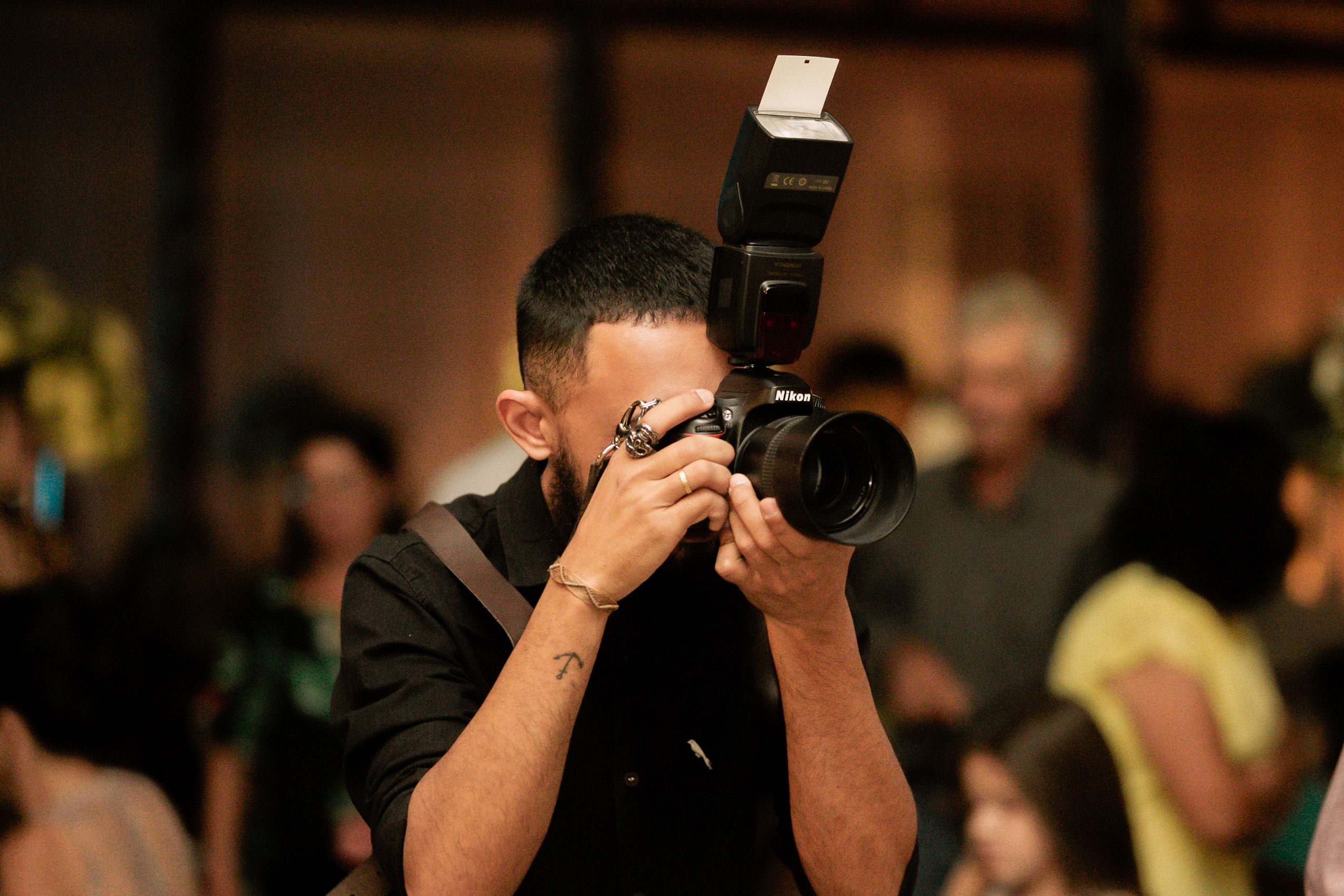
- Photography and video: The timeless graphic memory you will keep forever. You can explore our approach in documentary wedding photography and check our photography services and rates.
- Venue and catering: The setting and the comfort of the after-meal gathering with your people.
- Music and party: The rhythm of the celebration and the dance floor atmosphere.
- Decoration and flowers: The aesthetic atmosphere and environmental warmth.
- Dress and accessories: Personal elegance on your big day.
- Guest experience: Welcome and hospitality details.
It's not about spending more; it's about spending better.
A small margin for the unexpected
One of the most frequent mistakes in the first steps to organize a wedding is making a budget where every euro already has an assigned destination. Additional expenses can always pop up: travel, tailoring alterations, accessories, printing, transport, tips, or last-minute details. Reserving a small margin (10%-15%) for contingencies will let you handle those decisions without worry.

Spaces that tell your story without words
The celebration venue is not just a backdrop for photos; it is the setting that defines light, guest comfort, and the energy of every moment. Choosing a venue with soul simplifies every single step of planning a wedding.
Choosing the perfect venue
The celebration venue will be one of the elements that adds the most personality to your wedding. And it shouldn't be chosen solely because it's pretty. Ask yourselves as a couple: Does this space tell our story?
An olive grove estate might be perfect for a couple in love with the Mediterranean. A family home can turn the wedding into a return to roots. An urban space can be the ideal setting for a contemporary celebration. If you are looking for the ideal setting in the Levantine lands, you can explore our selection of the best estates and farmhouses for weddings in Valencia. Likewise, if you have doubts about official civil wedding procedures at your chosen venue, you can check legal requirements at the Electronic Headquarters of the Ministry of Justice or refer to official guidelines from the General Council of Notaries for weddings before a notary.
The venue will also directly condition:
- Guest count and space capacity.
- Table seating arrangements and banquet dynamics.
- The quality of natural and interior lighting.
- The type of ceremony (outdoor or indoor).
- The plan B in case of rain or wind.
- Travel and accommodation logistics.
Beauty is also in what cannot be seen
When visiting a venue, don't rely solely on promotional photographs. Ask about schedules, setup conditions, supplier restrictions, evening lighting, sound, indoor and outdoor spaces, and any operational issues that might affect the celebration. An elegant wedding isn't just one that looks pretty; it's one where everything seems to happen naturally.
Finding a style that speaks of you
This is where one of the most fun parts of learning how to plan a wedding begins: turning abstract ideas into a solid visual identity. To gather visual references, color palettes, and floral styles, you can organize an inspiration board on platforms like Pinterest. If you want to draw inspiration from intimate coastal landscapes and the Levantine interior, you can review our compilation of the 5 magical locations for a pre-wedding session in Valencia.
But here is an important recommendation: don't try to replicate a photograph identically. Use inspiration to discover what language appeals to you, not to copy someone else's wedding.
Elegance does not mean excess
An elegant wedding doesn't need to fill every corner with ornaments. Sometimes, a simple table with a quality linen tablecloth, carefully chosen flowers, pretty tableware, and warm lighting conveys far more sophistication than overly abundant decoration. Elegance appears when there is a harmonious balance between color and neutrality, between trend and timelessness, between the spectacular and the intimate.
"Elegance at a wedding does not consist of cluttering the space, but in allowing every detail to have a sincere reason for being present."
— The Wedding Corner
Invitations: the first brushstroke of your story
Invitations are much more than a way to communicate date and location. They are the first experience your guests will have with the celebration, serving as your business card among the first steps to organize a wedding.
Handcrafted and careful stationery can incorporate:
- Cotton papers and organic textures.
- Classic serif or handmade calligraphy fonts.
- Envelopes with illustrated liners or embossed finishes.
- Custom illustrations and destination maps.
- Wax seals or monogram seals.
But the true personal touch can be in something much simpler: a meaningful phrase, an illustration of the place where you met, or a shared short story.
Stationery as a guiding thread
The design of the invitations can later extend to menu cards, table numbers, thank-you notes, and the seating plan. This will give you a coherent visual identity that conveys order and care at every table.
Designing an unforgettable ceremony
The ceremony is the beating heart of the celebration. It is the moment when all noise stops for a few minutes to listen to something much more important than any decoration: your story. Understanding its value is crucial among the first steps to plan a memorable wedding.
Customized vows
Writing your own vows can be one of the most emotional moments of the whole process. You don't need to write a perfect or literary text; simpler words are usually the ones that linger most. Talk about specific memories, what you admire about each other, the little things that make you happy in everyday life, and what you promise to nurture together.
Incorporating rituals with meaning
There are different ways to bring a symbolic nuance to the steps to get married in a civil or religious ceremony:
- Sand ceremony or lighting symbolic candles.
- Planting a tree or plant together.
- Private exchange of saved letters.
- Participation of close relatives with dedicated readings.
- Cultural rituals or inherited traditions.
You don't need to include many. Just one, if it has true meaning, will be deeply moving.
Music also tells your story
The entrance, readings, ring exchange, and exit can be accompanied by songs with special meaning. Maybe it's the song from your first trip, a classical piece that moves you, or a seemingly simple melody that means everything. Music has an extraordinary capacity to bring us back to a specific moment even many years later.
Personalizing decoration without losing elegance
Decoration is probably one of the areas where it's easiest to slip into excess when researching how to plan a wedding. The solution isn't stripping away personality, but selecting with better criteria.
Table centerpieces with history
Instead of decorating every table identically in an industrial way, you can introduce small variations while maintaining a unified aesthetic line: different botanical arrangements within a shared palette, meaningful books for the couple, handcrafted ceramic pieces, or collected antique jars. The goal isn't for guests to think "Look how much stuff there is!", but rather "This is so them."
Flowers: less quantity, more intention
Flowers don't need to be in every corner. You can focus the investment on high-impact visual points: the ceremony altar, the welcome arch, the main head table, and banquet lighting. To plan the key moments of the day without rush, we recommend checking our guide on the perfect wedding schedule.
Lighting transforms the space
Light deserves its own chapter. The exact same room can feel cold or extraordinarily cozy depending on the chosen lighting tone. Micro-bulb fairy lights, lit candles, brass candelabras, or ambient lighting points create an intimate, sophisticated atmosphere as soon as night falls.
The couple's look: elegance with personality
Personalization is also something you wear. The wedding dress and groom's suit should make you feel like yourselves, but in an especially polished and radiant version.
Subtle wardrobe details
For the bride: Personalization can appear in subtle embroidery with a date or initials on the hem, an inherited family veil, a special silk bow, an antique piece of jewelry, or a more comfortable second look for dancing.
For the groom: Elements like cufflinks engraved with coordinates, an inherited watch, a special lapel pocket square, a customized jacket lining, or an interior inscription bring distinction without being ostentatious.
Creating an experience for guests
A wedding isn't just what the couple experiences; it's also what those who traveled, prepared outfits, and saved the date to join you feel. Thinking of their comfort is the ultimate display of elegance when mapping out the first steps to organize a wedding.
Small gestures that make a difference:
- A welcome kit or destination recommendation guide.
- Fresh water, hand fans, or parasols if the ceremony is in summer.
- Cozy blankets and outdoor heaters for autumn and winter.
- Guestbook corner with instant photos or cards.
- A local culinary treat for the trip back home.
The small details that linger in memory
Years from now, you probably won't remember exactly how all the flowers were arranged. You will remember how you looked at each other, the song that played, the person who cried during the vows, shared laughter with someone you hadn't seen in years, and that moment when you looked around and realized all those people were there to celebrate your love. Therefore, among the first steps to organize a wedding, prioritizing the human over the material will make all the difference.
Meaningful wedding favors for guests
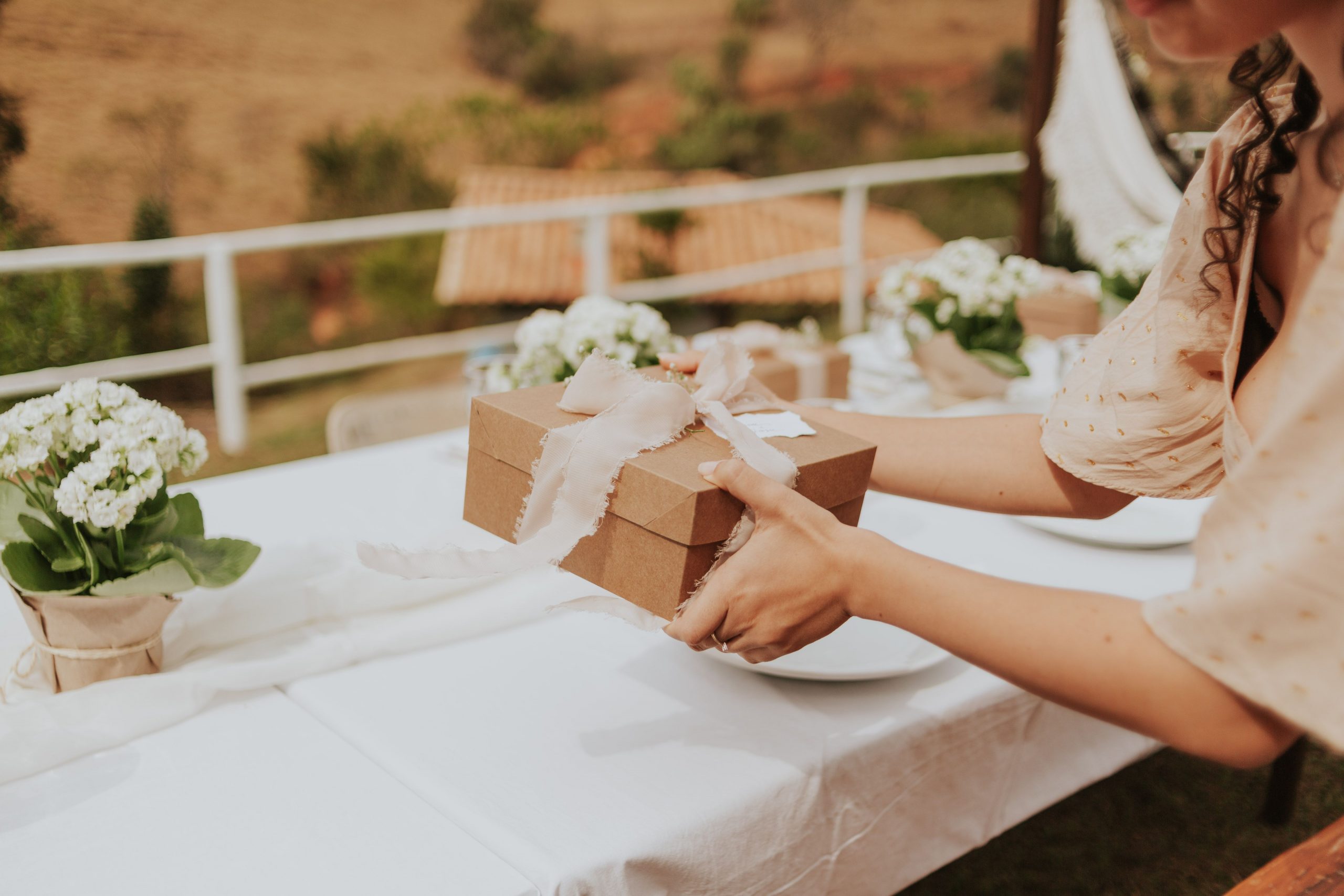
Instead of generic favors that end up in a drawer, you can look for gifts tied to your homeland or hobbies: locally produced honey or olive oil, small vegetable wax candles, seeds to plant, artisan soaps, or handmade ceramic pieces. A pretty box and a handwritten note turn any everyday object into a heartwarming keepsake.
Personalizing doesn't mean putting your names on everything
The most elegant personalization is subtle. It can manifest in the culinary selection, the after-dinner background music, flowers reminiscent of your grandmother's house, or the warm way each attendee is greeted when taking the first steps to organize a wedding.
Mistakes to avoid when organizing a wedding
Personalizing your big day is wonderful, but when planning the first steps to organize a wedding it's easy to fall into the trap of wanting to introduce too many disconnected ideas.
Trying to follow every trend
Fads change fast; your story doesn't. Choose only those elements that truly represent you and discard fleeting trends that don't fit who you are.
Overloading decoration
When everything tries to grab attention at once, nothing manages to stand out. Leave empty visual spaces: simplicity and balance are also protagonists.
Trying to please everyone
Your wedding is yours. Listen respectfully to advice from family and friends, but remember that not every outside opinion has to become a decision.
Copying a reference wedding
Getting inspired is wonderful; copying to the letter, on the other hand, strips authenticity from the celebration. Take references and transform them until they become your own.
XIII. Checklist of the first steps to plan a wedding
- Talk about the type of wedding you envision.
- Define three core keywords for your style.
- Establish a clear and realistic budget.
- Create a preliminary guest list.
- Choose a preferred date or season.
- Search and visit potential venues.
- Book the venue and start legal procedures.
- Hire core suppliers (photo/music).
- Define visual concept and color palette.
- Design stationery and invitations.
- Plan the ceremony script and vows.
- Select music for key moments.
- Choose attire, shoes, and accessories.
- Organize guest comfort details.
An elegant wedding doesn't have to be a perfect wedding
Perhaps this is one of the most important ideas of the entire process. Sometimes, when we start organizing a wedding, we can fall into the trap of thinking everything must be flawless: that every flower must be in its exact spot, that every photo should look like an editorial shoot, or that no detail can fail.
But the true beauty of a wedding lies elsewhere. It lies in what happens when the bride gets emotional before entering, in the improvised hug, in shared laughter during the vows, in a glass raised with someone you haven't seen in years, and in that instant when you look around and realize all those people are there to celebrate your love. Elegance isn't about eliminating emotion; it's about giving it space to breathe.
Conclusion: making your wedding look like you
The first steps to plan a wedding can seem overwhelming at first. There are decisions, budgets, suppliers, dates, and hundreds of small details to resolve while learning how to plan a wedding. But behind all that planning exists something much simpler: two people who have decided to walk together. From there, everything else should serve to tell that story.
Choose a venue that moves you. Create a budget that lets you enjoy without anxiety. Design a ceremony that speaks of you. Pick flowers that make you smile. Incorporate songs that bring you back to other moments. Take care of your guests. And above all, don't be afraid to leave small parts of your story scattered in every corner as you take these steps to get married.
Because a wedding doesn't become special by having more things. It becomes special when every single thing present has a reason to be there. In the end, the most beautiful weddings are those that, many years later, make you say when looking at a photo: "Yes. This wedding was us."

Let's design the visual memory of your wedding
Do you appreciate naturalness, genuine moments, and a graphic memory full of serenity and elegance? Write to us with no obligation and we'll check your wedding date.
Check AvailabilityOtras historias que te pueden gustar
Original Wedding Gifts (Not on the Registry): 10 Unforgettable Ideas
Tired of the typical cash transfer? Discover 10 stylish and original wedding gift ideas that the couple will remember forever.
Wedding Photographer Cost: 4 Reasons Behind My Current Rates
Wedding photographer cost: How is it defined? I'll share with complete honesty why my introductory rates offer top quality.